


I propose adding fauna: from silent wastelands to a living cosmic world
Imagine a long rover trek across Martian hills or Earth-like plains. Your destination is a distant outpost, the journey is long. Right now, this trip is a sequence of landscapes, beautiful yet silent. Now, add one simple but brilliant dimension -life.
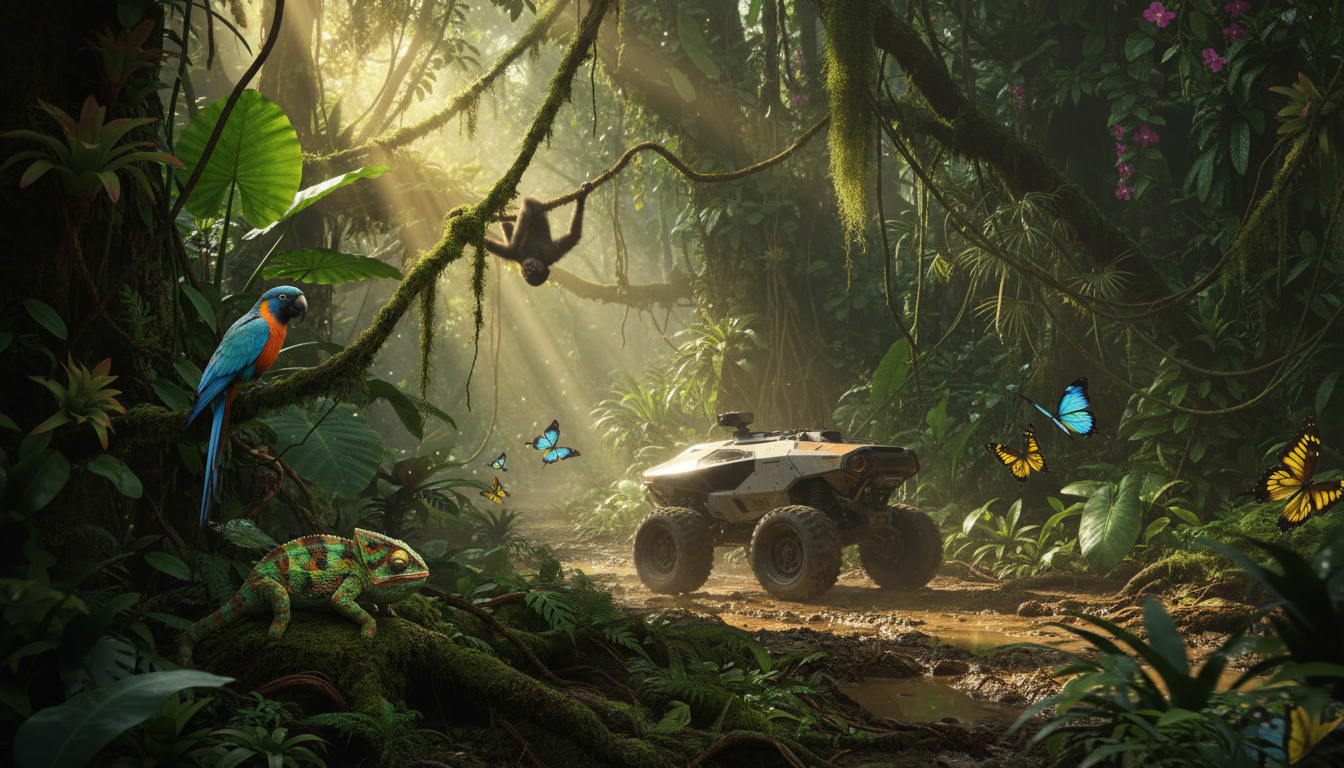
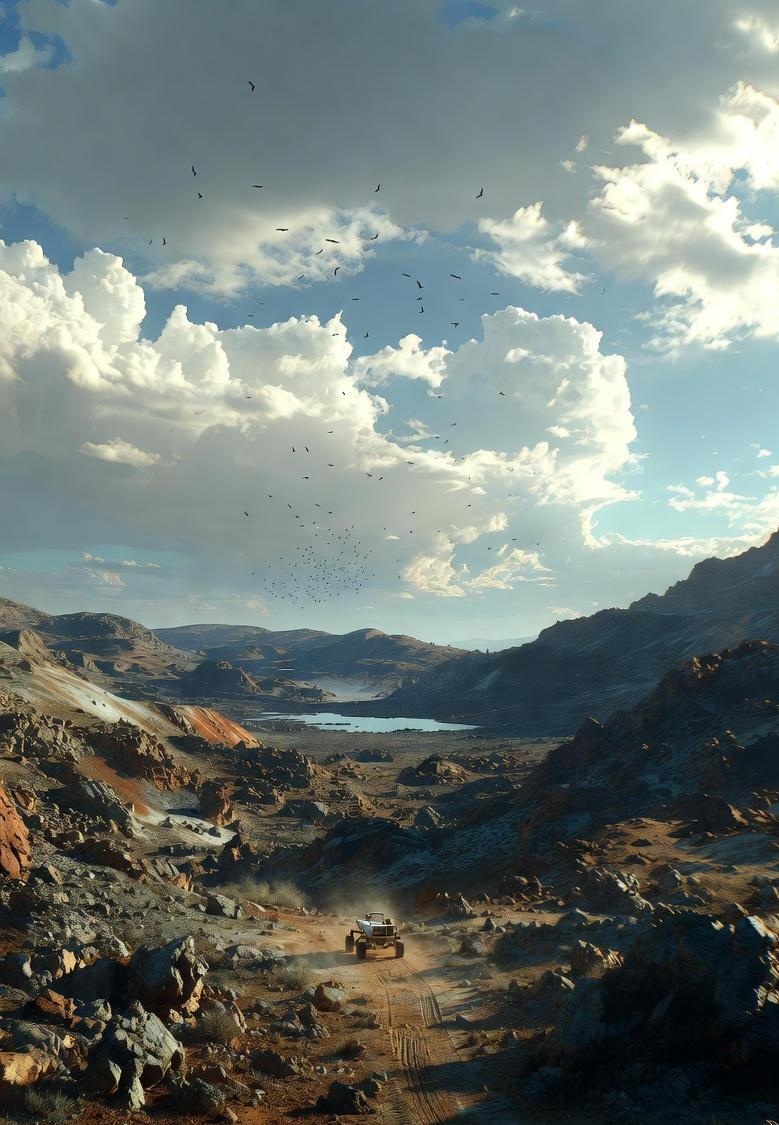
Not hostile monsters, but life itself. The very thing that fills any real world with subtle movement and sound. Imagine a flock of unseen birds bursting from behind nearby cliffs, their wings beating against the pink-tinged sky, startled by the rumble of your wheels. You slow down and spot a herd of massive, serene creatures -like cosmic bison - moving slowly across the horizon in a valley. They graze on strange local grass and occasionally call to each other with low, guttural sounds. And all around you, if you just kill the engine, you're enveloped by the world's symphony: the chirping of invisible insects in the scrub, the whistle of wind through canyons, the distant murmur of a waterfall.
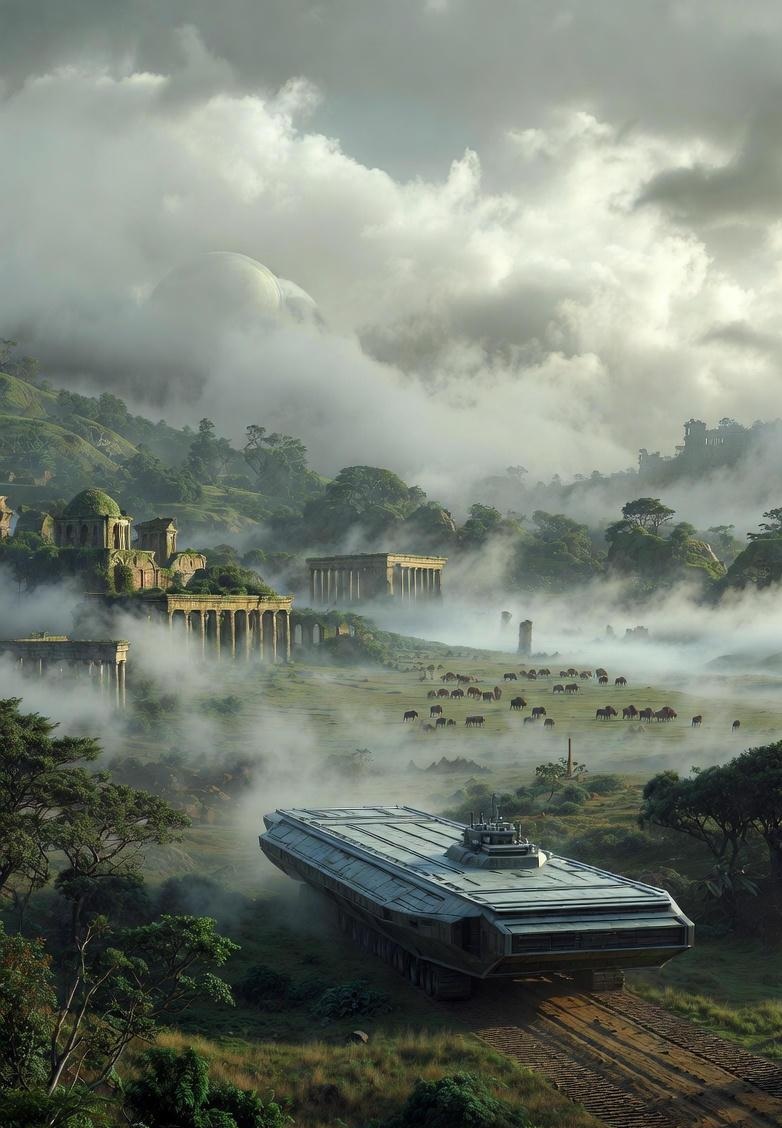
This is what can turn a routine drive into a miniature adventure. This is what creates not a set piece, but a world. These moments aren't just "content." They are atmosphere. They are the story the player tells themselves. "I saw this planet living." This sense of presence, immersion, and wonder cannot be overstated.
Sound here is not just background. It's a crucial tool for immersion. The localized call of a bird from the direction of a lake creates space. A rustle in the grass behind you makes you turn around. The silence, broken only by the wind and your own footsteps, contrasted with the hum of a working base, speaks volumes. This is the magic that happens when a game stops being just an engineer simulator and becomes an explorer simulator, a discoverer of a living, albeit digital, cosmos.
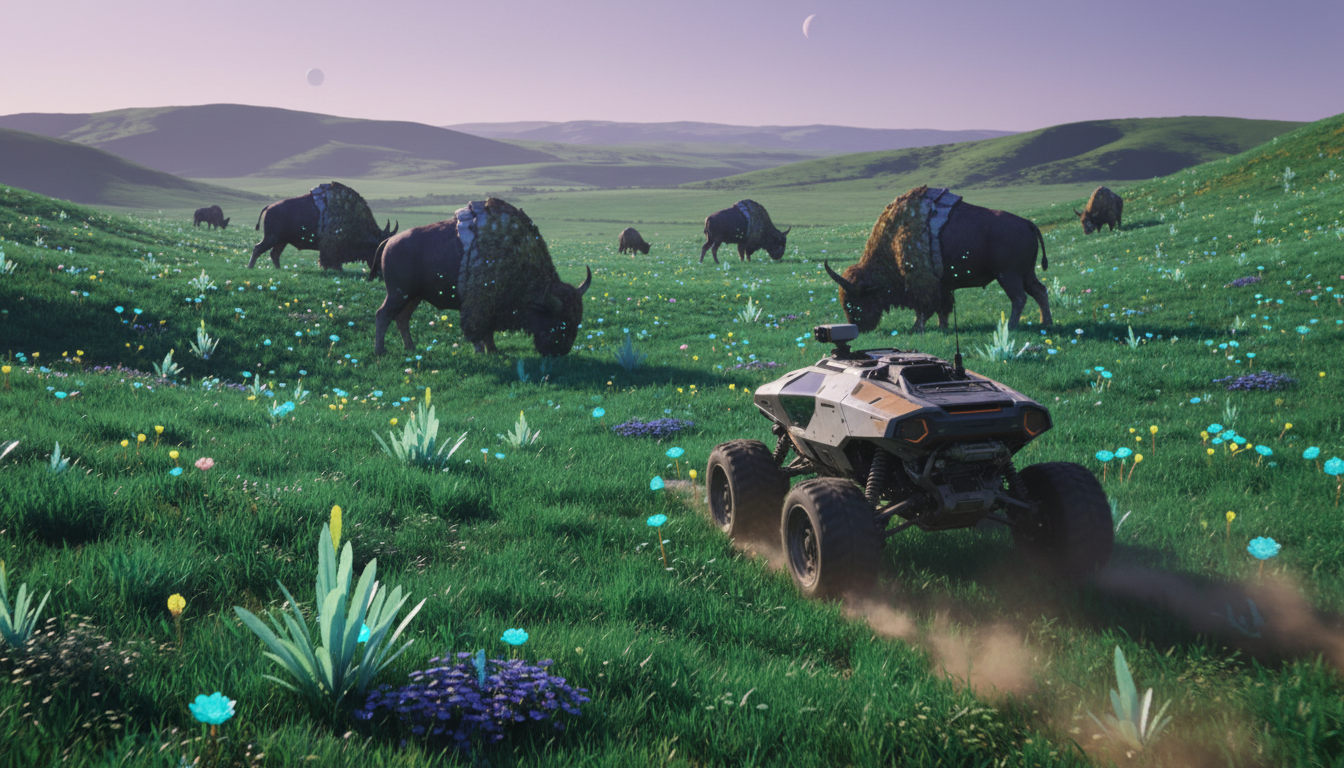
Adding such unobtrusive, peaceful, and diverse fauna, paired with a detailed soundscape, isn't a question of gameplay mechanics. It's a question of the game's soul. It's what makes you want to return to the world again and again, not just to build, but simply to be in it, to observe and feel its breath. And in this lies a tremendous potential for Space Engineers 2 to be remembered not only as a technical marvel but as an incredibly atmospheric, living world.
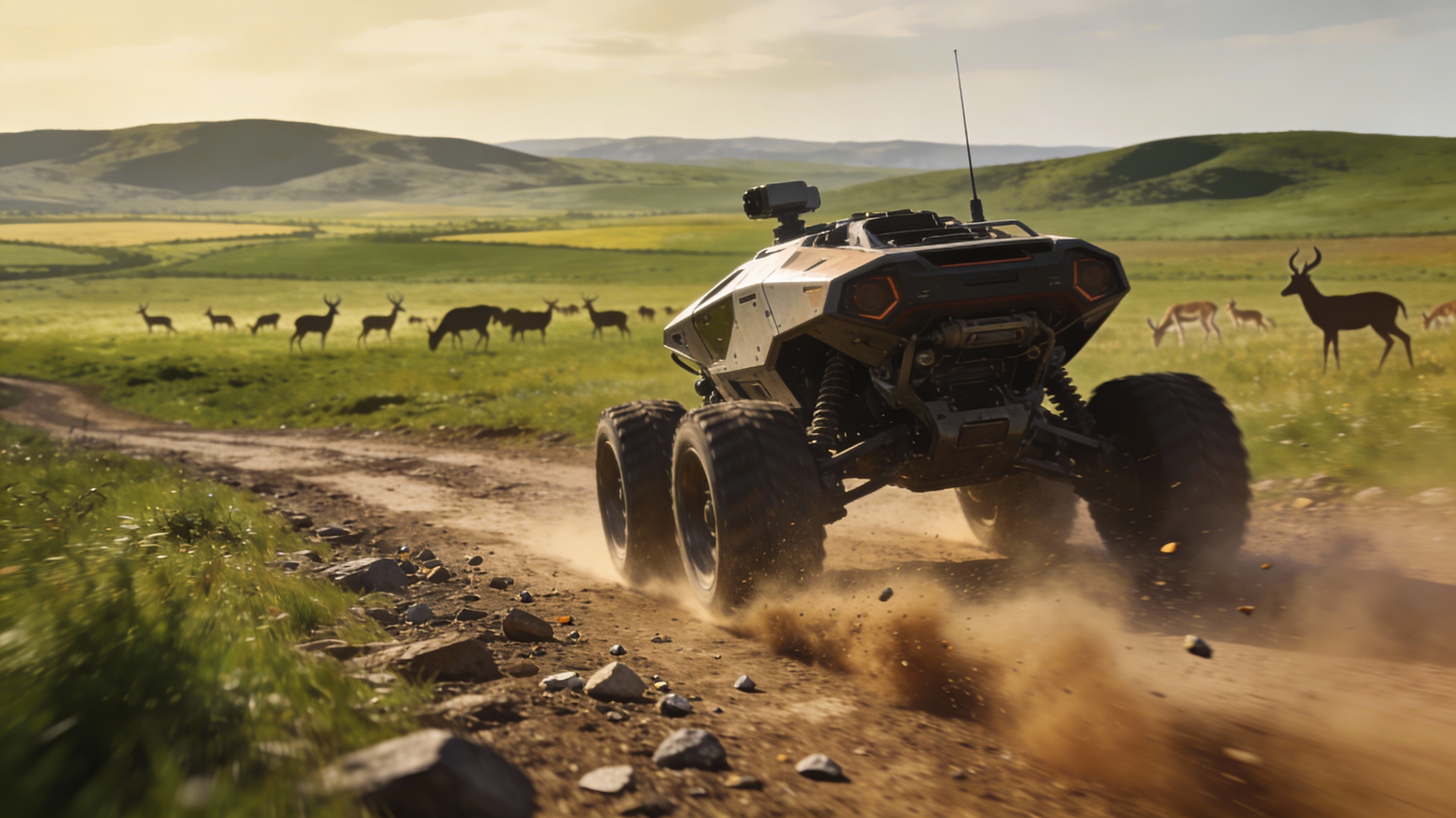
I would absolutely love to see planets in the game feel truly alive. Imagine driving a rover from one base to another and witnessing not just a static landscape, but a dynamic ecosystem: for example, watching a flock of birds take off from a lake's surface, or spotting a herd of wild animals grazing in the distant meadows, cautiously watching your approach.
These details are not just "cosmetic." They create an incredible sense of immersion — the feeling that you're not just on a sterile resource map, but in a real, breathing world. It adds that "wow" factor, creates memorable moments, and gives the game much more depth. I truly hope the team considers adding such diverse, non-aggressive fauna in future updates!
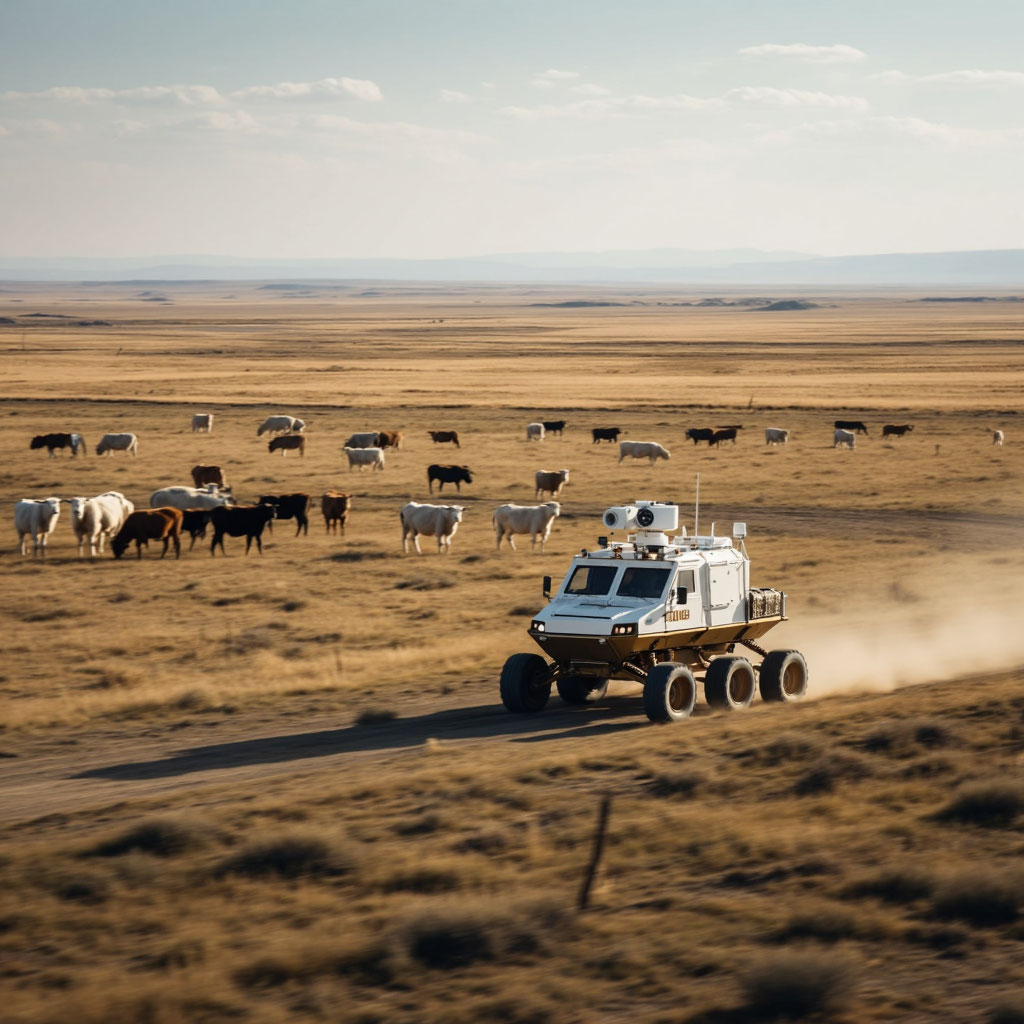
 I like this feedback
I’m suggesting this because the planets in the first part of Space Engineers are currently completely lifeless. Even those that are supposed to support life show no signs of it — and this significantly reduces the game’s appeal. It would be amazing to see more life and detail added to them!
Yes, the second part has great graphics — it’s truly enjoyable to watch sunsets and fly through the clouds. But what’s the point of all that beauty if there’s no life on the planets?
I’m suggesting this because the planets in the first part of Space Engineers are currently completely lifeless. Even those that are supposed to support life show no signs of it — and this significantly reduces the game’s appeal. It would be amazing to see more life and detail added to them!
Yes, the second part has great graphics — it’s truly enjoyable to watch sunsets and fly through the clouds. But what’s the point of all that beauty if there’s no life on the planets?
It's not a bad idea...
But the "living world" should correspond to the planet - how old it is, how far it is from its star, what kind of star it is...
And Earth animals and plants can only exist on terraformed planets. But on terraformed planets, there is no work left for space engineers; there live only "normal people."
The realization of this idea would therefore require the creation of an “extraterrestrial” form of fauna and flora.
And I am very afraid that it would end up like in the game “No Man's Sky,” where extraterrestrial organisms are rather ridiculous, awkward, and clumsy (the translator chooses very mild expressions)..
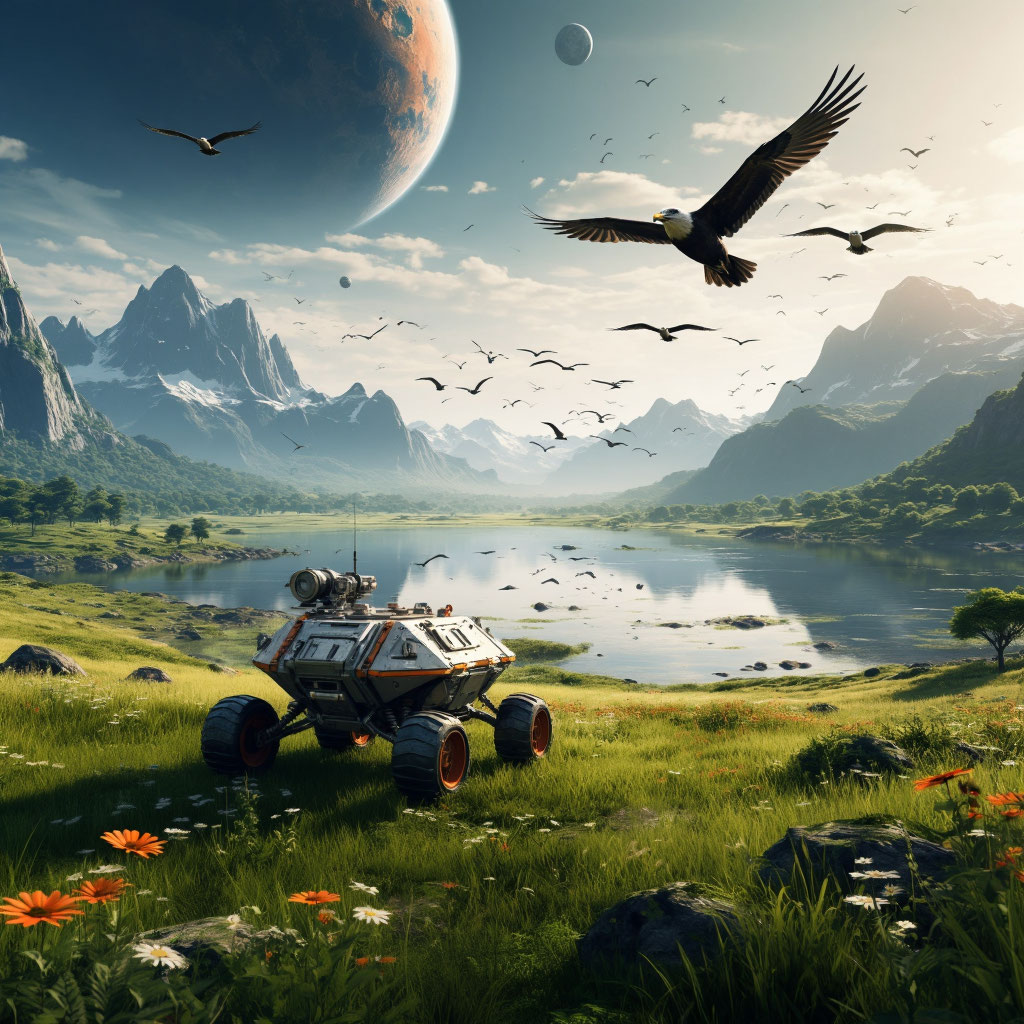
So I think most worlds will be most similar to the third image - just without birds.
It's not a bad idea...
But the "living world" should correspond to the planet - how old it is, how far it is from its star, what kind of star it is...
And Earth animals and plants can only exist on terraformed planets. But on terraformed planets, there is no work left for space engineers; there live only "normal people."
The realization of this idea would therefore require the creation of an “extraterrestrial” form of fauna and flora.
And I am very afraid that it would end up like in the game “No Man's Sky,” where extraterrestrial organisms are rather ridiculous, awkward, and clumsy (the translator chooses very mild expressions)..
So I think most worlds will be most similar to the third image - just without birds.
I agree, the worlds in SE have always felt barren and lifeless. Even Earthlike had nothing going on which is just so boring.
I agree, the worlds in SE have always felt barren and lifeless. Even Earthlike had nothing going on which is just so boring.
Replies have been locked on this page!